Enhance Skills with Coloured Pencil Workshops

Updated: May 30

Art is a wonderful way to express yourself, and coloured pencils offer a unique blend of control and vibrancy. If you want to improve your technique or simply enjoy a creative experience, joining coloured pencil workshops can be a great step. These workshops provide hands-on learning, expert guidance, and a chance to connect with others who share your passion.
In this post, I’ll share why coloured pencil workshops are so valuable, what you can expect from them, and how they can help you create beautiful, lasting artwork. I’ll also mention some helpful products that can support your journey.
Why Choose Coloured Pencil Workshops?
Many people start drawing with coloured pencils because they are easy to use and portable. But mastering this medium takes practice and knowledge. Workshops offer a structured way to build your skills, whether you are a beginner or have some experience.
Here’s what makes these workshops special:
Personalised instruction: You get direct feedback from an experienced artist who can help you improve your technique.
Step-by-step guidance: Workshops often break down complex skills into manageable steps, making learning less overwhelming.
Creative inspiration: Being around other artists and seeing their work can spark new ideas and motivate you.
Hands-on practice: You spend time drawing during the session, which helps you apply what you learn immediately.
Access to quality materials: Some workshops provide or recommend the best pencils and paper to use, which can make a big difference in your results.
Taking part in a workshop can boost your confidence and help you create artwork you’re proud of.
What to Expect in a Coloured Pencil Workshop
Workshops vary in length and style, but most cover essential techniques and tips for working with coloured pencils. Here are some common topics you might encounter:
Colour layering and blending: Learning how to build up colours gradually to create depth and smooth transitions.
Shading and texture: Techniques to add light, shadow, and texture to your drawings.
Choosing the right pencils and paper: Understanding which materials work best for different effects.
Drawing from reference: How to observe and replicate details from photos or real life.
Fixing mistakes: Tips on correcting errors without damaging your work.
Many workshops also include demonstrations and time for questions, so you can get personalised advice.
Recommended Products to Support Your Learning
Using the right tools can make your coloured pencil experience more enjoyable and effective. Here are a few products I recommend that often come up in workshops or are suggested by artists:
Derwent Lightfast Coloured Pencils
Derwent Lightfast pencils are designed for artists who require high-quality, lightfast pigments that resist fading over time. These pencils are ideal for creating vibrant, long-lasting artwork. They offer a smooth application and are suitable for a variety of techniques, including layering and blending.
You can find them here: Derwent Lightfast Coloured Pencils
Faber-Castell Polychromos Pencils
These pencils are oil-based and offer excellent colour intensity and durability. They hold a sharp point well, which is great for fine details. Faber-Castell Polychromos are a favourite for artists who want vibrant colours and precision.
Check them out here: Faber-Castell Polychromos Pencils
Clairefontaine Pastelmat Paper
Clairefontaine Pastelmat paper is known for its unique texture and high-quality surface, making it a personal favorite of mine, especially for pastel and pencil work. Here are some key features:
Texture: The paper has a velvety, textured surface that holds pastels and pencils exceptionally well.
Weight: Typically available in weights around 360 gsm, providing a sturdy base for various media.
Color Options: Comes in a variety of colors, allowing artists to choose backgrounds that complement their work.
Acid-Free: Ensures longevity and prevents deterioration over time.
Available here: Clairfontaine Pastelmat
Using these products alongside your workshop experience can help you achieve better results and enjoy the process more.

How Workshops Help You Create Meaningful Art
One of the best things about coloured pencil workshops is how they help you capture special moments and memories. Whether you want to create a portrait of a loved one, a pet, or a favourite place, the skills you learn will make your artwork more lifelike and personal.
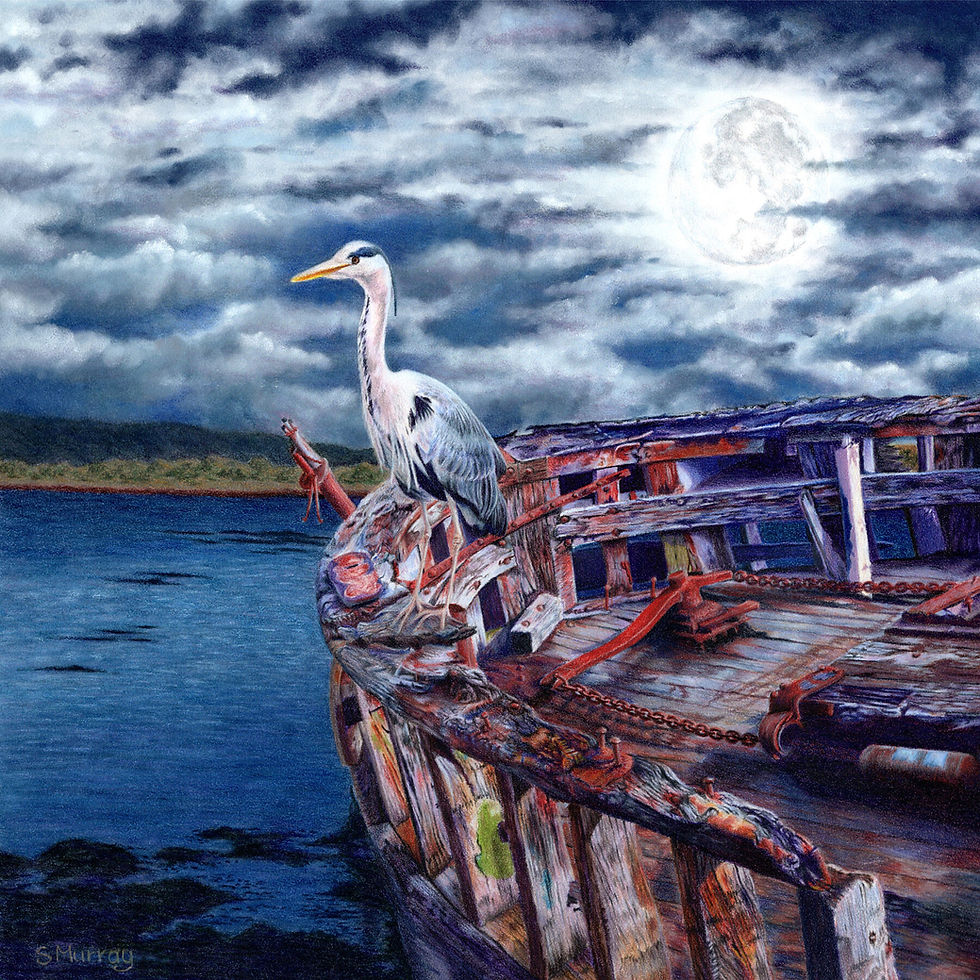
For example, Susan Murray Art specialises in creating high-quality coloured pencil portraits and wildlife art that clients treasure. By attending workshops, you can develop the skills needed to produce similar meaningful pieces. You’ll learn how to capture fine details like fur texture or subtle facial expressions, which bring your drawings to life.
Workshops also encourage you to experiment and find your own style. This personal touch makes your art unique and more valuable as a gift or keepsake.
Tips for Getting the Most from Your Workshop
To make the most of your coloured pencil workshop, here are some friendly tips:
Bring your own materials if the workshop allows it, so you can get familiar with your tools.
Ask questions during the session. No question is too small when you’re learning.
Take notes or photos of demonstrations to review later.
Practice regularly after the workshop to keep improving.
Be patient with yourself. Skill takes time, and every drawing is a step forward.
Remember, the goal is to enjoy the process and grow your abilities.

Finding the Right Workshop for You
When looking for a coloured pencil workshop, consider these factors:
Skill level: Choose a workshop that matches your experience, whether beginner or advanced.
Class size: Smaller groups often mean more individual attention.
Instructor experience: Look for artists who have a strong background in coloured pencil art.
Location and schedule: Find a workshop that fits your availability and is easy to reach.
Reviews or recommendations: Hearing from past participants can help you pick a quality workshop.
Many workshops are now available online, which can be a convenient option if you prefer learning from home.
Final Thoughts on Enhancing Your Art Skills
Joining coloured pencil workshops is a wonderful way to improve your drawing skills and create art that truly matters. The combination of expert guidance, quality materials, and practice helps you grow as an artist.
If you want to explore this medium further, consider signing up for a coloured pencil workshops session. It could be the start of a rewarding creative journey.
With patience and the right support, you’ll be able to produce beautiful portraits and artworks that capture memories and emotions for years to come.
Ready to take your coloured pencil skills to the next level? Find a workshop near you or online and start creating art that you and others will cherish.

Comments